
Страна:
 Россия
Регион:
Другие названия:
Значение:
Время визита:
Почему Топ:
Заповедный лес, где сохранились лосиные тропы и ощущение настоящей дикой природы.
Описание:
People have settled in the vicinity of Losiny Ostrov for a long time and willingly. Neolithic settlements are known on the banks of the Klyazma (Bolshevskoe settlement) or the Bear Lakes. People began to settle on Elk Island itself relatively late — the places here were inconvenient, swampy, and the soil was mostly poor. The earliest archaeological sites — the Vyatichi mounds — date back to the 11th-12th centuries. From the 14th century, when the raids of the Horde drove the population of Rus’ to the north, when Rus’ began to gather around Moscow, people began to settle densely in Losiny Ostrov. The peak of settlement occurred in the 15th-16th centuries.
The name “Losiny Ostrov” was first mentioned in the 15th century. The name “Pogonny Elk Island” comes from the era of court hunts: “island” is a grove among cultivated land, “pogonny” is from “rut,” hound hunting; “elk” — from the largest hunting object. Numerous references have been preserved to how the tsar went hunting to estates near Moscow, including Losiny Ostrov. Travel palaces were built for the king’s hunting trips. The swamps at the source of the Yauza were also famous hunting grounds. Here, before peat mining began (mid-19th century), waterfowl were hunted.
The borders of Losiny Ostrov have remained virtually unchanged since the mid-18th century. even against the backdrop of the rapid growth of Moscow and the intensive economic development of lands in the Moscow region.
Today Losiny Ostrov is a specially protected natural area of federal significance, a wildlife reserve within the boundaries of Russia’s largest urban agglomeration, a national park that has no analogues in the world. We can rightfully say that a national park is the “ecological framework” of the capital’s metropolis.
The Moscow part of the national park, where recreational areas with free access to visitors are located, is managed by the city of Moscow, the regional part is managed by the Ministry of Natural Resources and Ecology of the Russian Federation, and is managed by the Federal State Budgetary Institution Losiny Ostrov National Park.
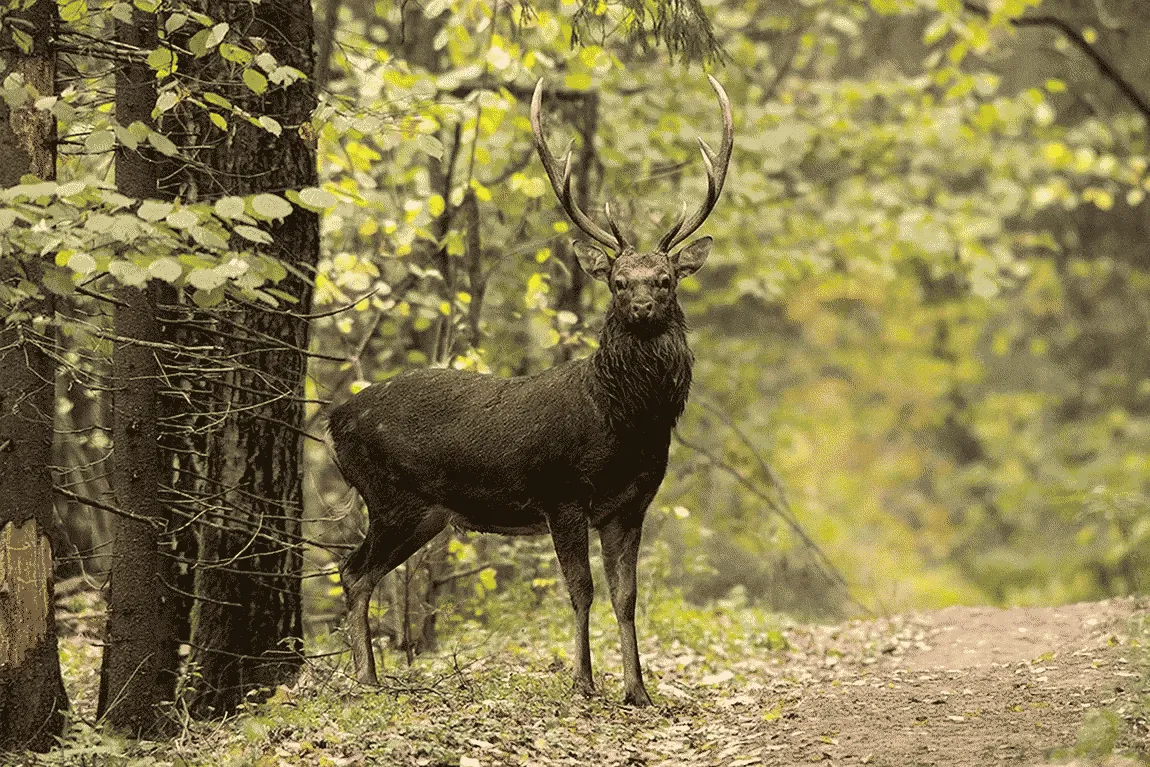
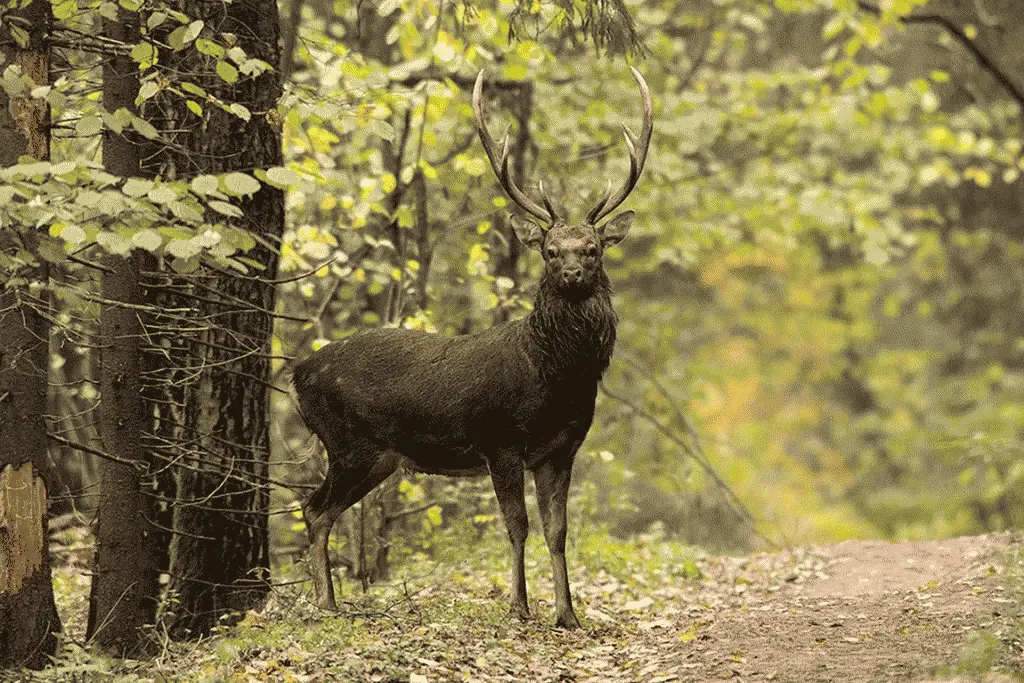
In addition to recreational areas, in the Moscow region part of the national park there are specially protected and reserved areas. This is the “heart” of Losiny Island, where unique natural complexes are located, moose, deer, wild boars and other mammals live, rare birds stop on migration, and the largest colony of black-headed gulls in the Moscow region nests.
On Losiny Island, located near Moscow, there are three ecological centers that open up a protected world to visitors. You can walk along the Deer Trail and see a wild herd of sika deer, stay overnight in glamping, kayak to floating islands, walk on water or barefoot along the trail — unique hiking routes. The expositions of the eco-centers will introduce plants from various regions of Russia, the peculiarities of forest protection, and the traditions of Russian peasant life and tea drinking.
Категории:
Темы:
Reserve
Зачем посещать:
Интерес:
Физподготовка:
Лучшее время:
Доступ:
Roads:
Facilities:
Attendance:
Emergency:
112
Safety:
Safely
Clothing:
Seasonable
Connection:
Ok