
 Россия
бесплатно
Страна:
РоссияРегион:
Другие названия:
Значение:
Время визита:
Цена:
бесплатно
Почему Топ:
Место падения Тунгусского метеорита 1908 года, связанное с глобальными исследованиями.
Описание:
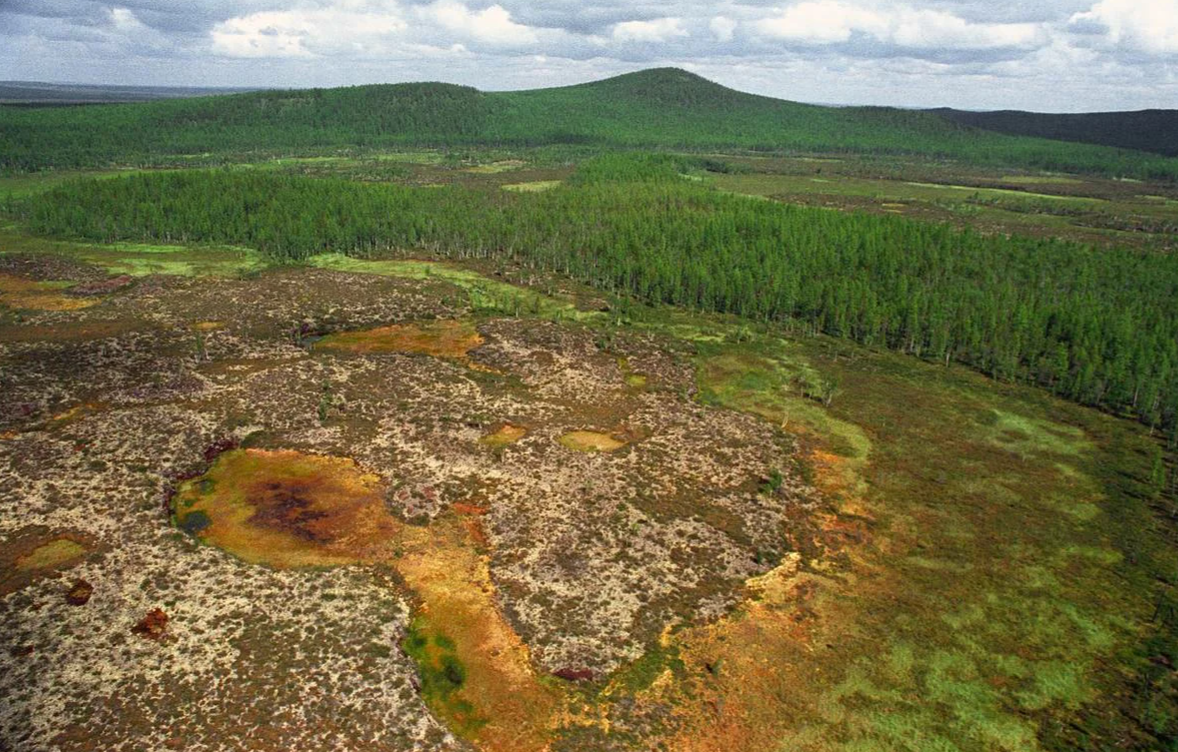
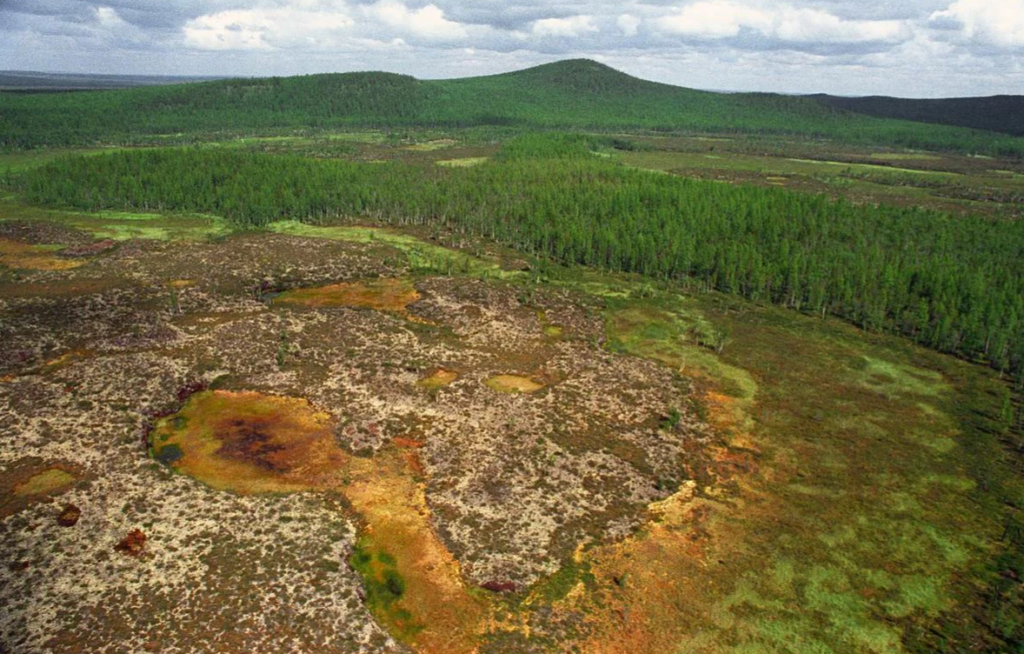
The meteorite fell at about 7 a.m. local time in the Podkamennaya Tunguska River basin (Yenisei province of the Russian Empire, now Krasnoyarsk Krai).
A bright bolide was visible across a large area of Eastern Siberia, moving from southeast to northwest, with a dust trail that lasted for several hours, ending with a powerful explosion over an uninhabited area of the taiga. The sound of the explosion was heard at a distance of more than 1,000 km, and the blast wave was recorded by seismographs around the world.
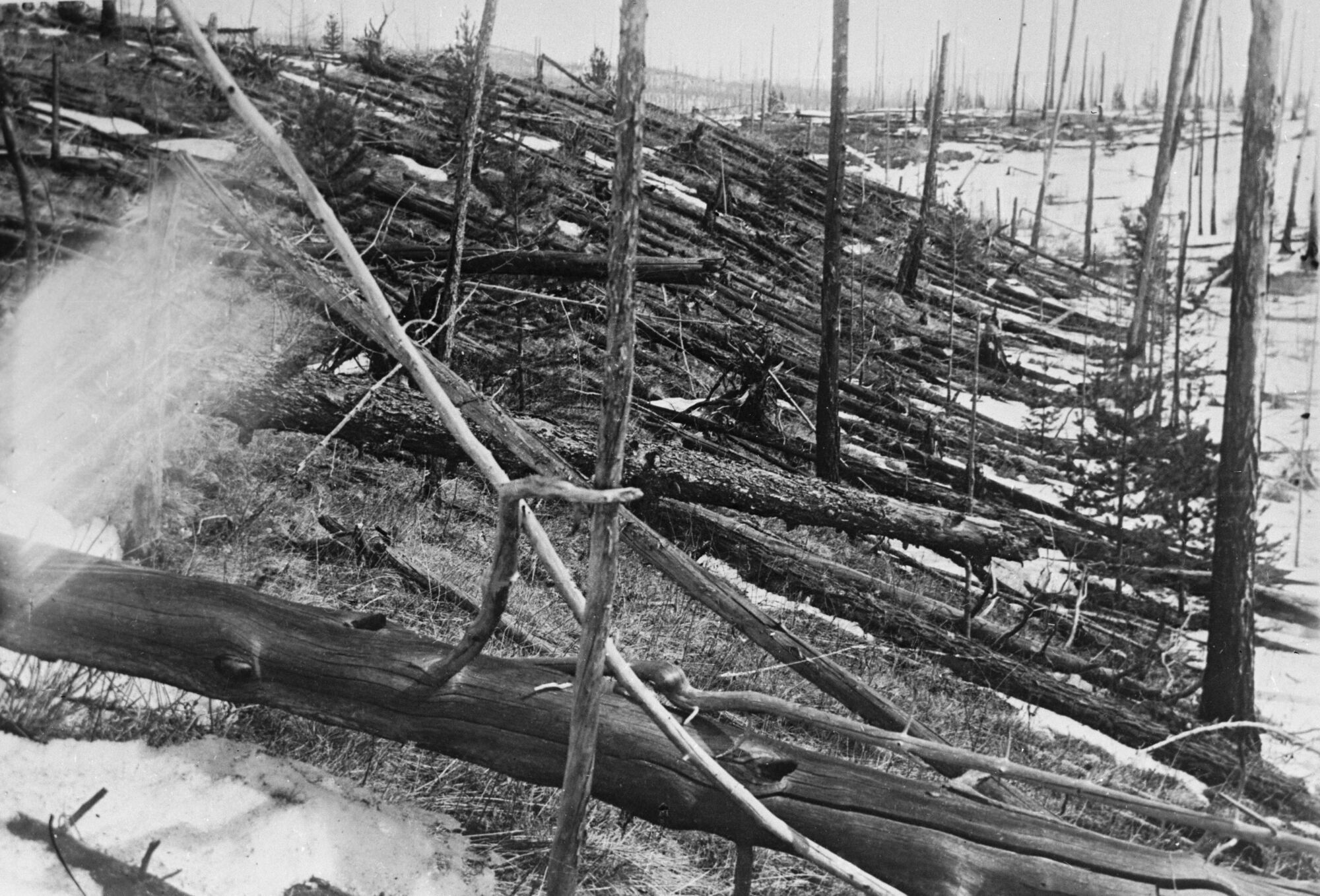
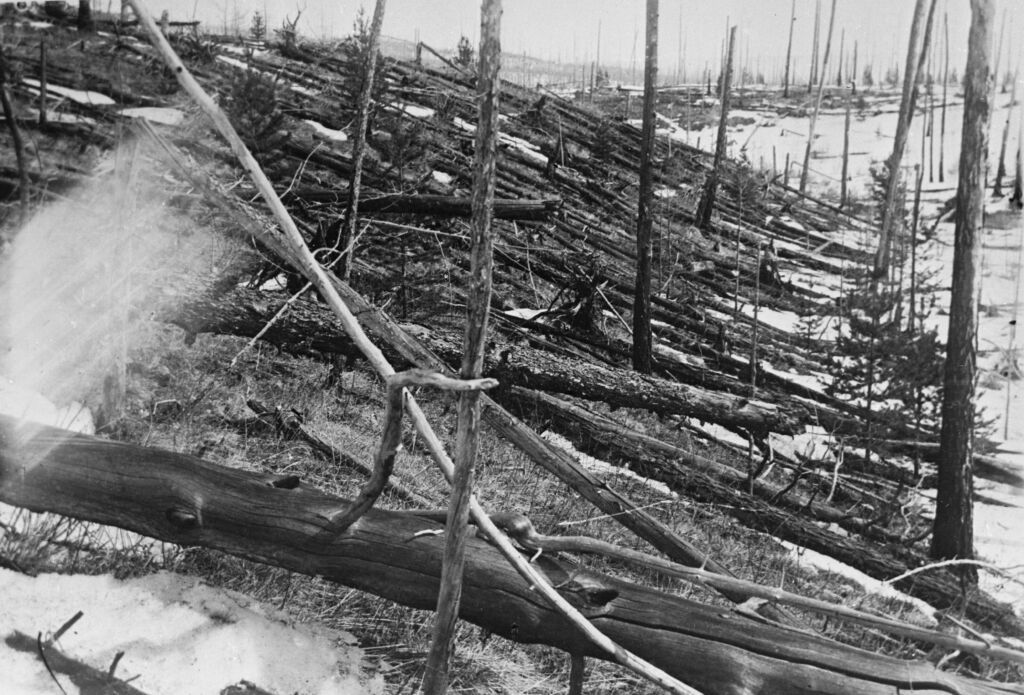
The power of the explosion is estimated by various researchers to be between 10 and 50 megatons in TNT equivalent. The blast wave destroyed forest over an area of more than 2,000 square meters.
Expeditions sent to the site of the explosion did not find any significant amount of meteorite matter. This gave rise to many theories about what happened.
According to one version, the Tunguska meteorite was an extremely massive stony meteoroid of asteroid origin that entered the Earth’s atmosphere at a very flat trajectory and had a speed of about 20 kilometers per second. After flying through the Earth’s atmosphere for about 1000 km, the cosmic body was destroyed due to high pressure and temperature and exploded at an altitude of 30–40 kilometers.
Research into the Tunguska catastrophe continues to this day, but it has not yielded any concrete results. Even the name “Tunguska meteorite” has a formal meaning, since it is impossible to say with certainty what celestial body fell in Siberia in 1908.
Категории:
Интерес:
Физподготовка:
Лучшее время:
Доступ:
Roads:
Emergency:
112
Info:
Safety:
Safely
Clothing:
Seasonable
Connection:
Ok